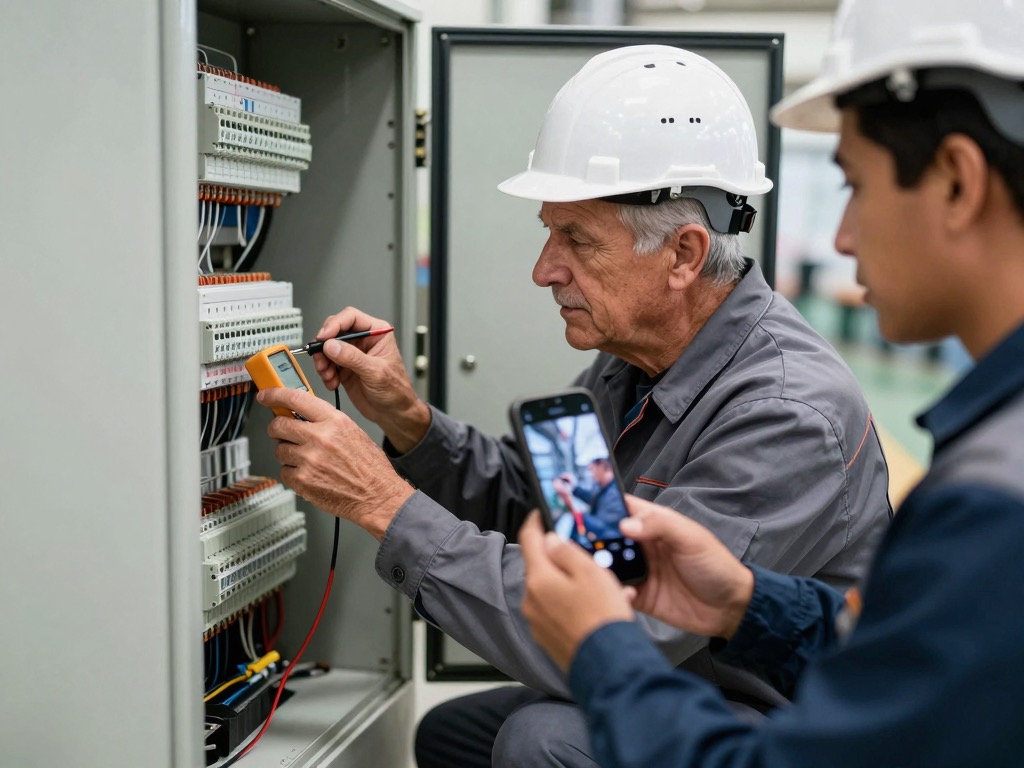
Upload the procedure update in the learning platform, and the course is rebuilt, the in-task guides refresh, the compliance baseline resets, and the audit log signs the change — across every site and language.
Every operations leader knows the gap between the procedure and the floor:
Updating one course means re-recording, re-editing, re-translating — so we just don’t.
The procedure changed months ago, and the floor is still running the old version.
When something changes, retraining every shift and site takes weeks we don’t have.
Our training and our current standard operating procedure (SOP) no longer say the same thing.
You don’t re-record a video, brief a translator, or chase down every site. Upload the revised procedure once. The course rebuilds, the in-task guides refresh, the compliance baseline resets, and the audit log signs the change — everywhere, in every language, by the next shift.
Upload the revised procedure into the learning platform and that single document becomes the source of truth. No re-recording a narrator, no re-editing the video, no re-briefing a translator — the change you make to the standard operating procedure is the only change you make.
From that one upload, the platform updates the video to the changed step, refreshes the in-task guides on the floor, and re-renders every translated version — so the course on every screen, in every language, matches the procedure you just approved.
When the course rebuilds, everyone trained on the old version is flagged for re-training — often a short update covering just what changed — and the new version becomes the only one on the floor. The audit log records what changed, when, and who’s on the current version — so the new procedure is provably the one in use, across every site.
Each SOP you upload is kept as its own revision — with the full history of what changed, who changed it, and when. The video course is tied to the exact document version it was built from, so you can always see which procedure a course taught, and roll back if you need to.
The same SOP change, two very different paths to a retrained floor.
What an auto-updated course looks like across different teams:
A QA lead approves a revised lockout/tagout step Tuesday; by Wednesday every shift across 12 sites sees the updated video course and refreshed in-task guide, in the languages their workforce needs.
A pharma site updates a cleaning procedure and the new version is provably the only one on the floor.
A retail chain updates a returns policy and every store associate is on the new version by the next shift.
A training manager uploads the revised standard operating procedure in the learning platform, requests “update course with revised procedure document,” and the rebuild runs — no studio, no re-shoot, no manual edit.
The gap between your procedure and your floor closes the moment you upload the change. The course rebuilds, the guides refresh, the baseline resets, and the audit log signs it — across every site and language, by the next shift. No scramble on your side — and if a change calls for a richer video, we produce that too.
Auto-update is the spark. From that one upload, the rest of the platform reacts — re-localizing every course, refreshing the guidance on the floor, re-proving who learned it, and resetting the compliance baseline.
When the standard operating procedure changes, all localized versions rebuild together — no separate translation project.
The step-by-step guidance on the floor updates the moment the procedure does.
The quiz and certificate reset with the course, so completion proves the current procedure.
Old completions are flagged out-of-date and the audit log signs the change — one provable version on the floor.

When a line changeover or work instruction is revised, every operator across shifts runs the new version within 48 hours.

Update a pick path or hazmat-handling step once, and every shift across the DC runs the current version within 48 hours.
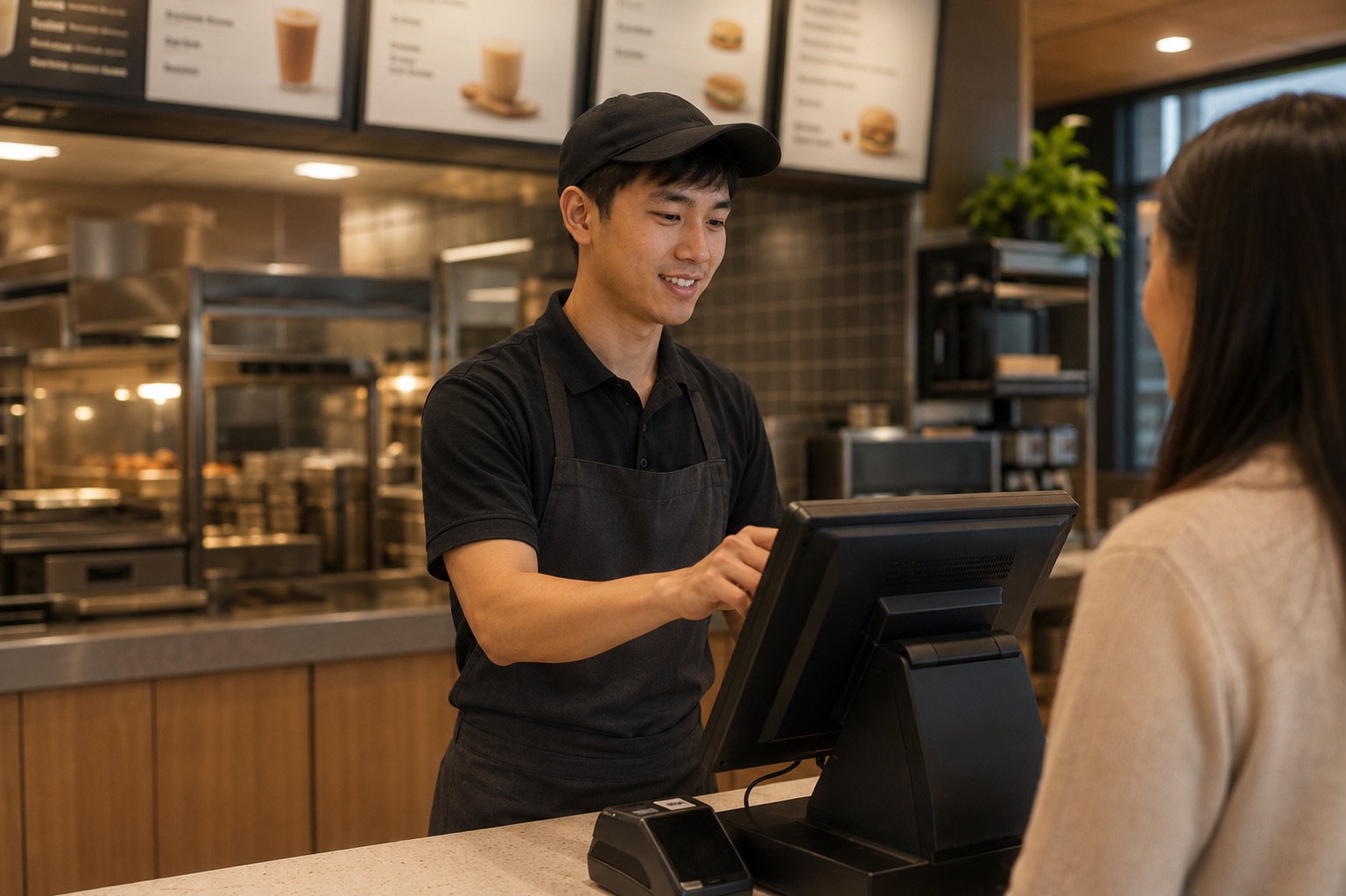
Change a recipe or food-safety step once, and every counter runs the new version the same shift, not next week.

Push a service bulletin or task-card change and line and ramp crews are current on it within 48 hours.
Bring the procedure you updated last month but never managed to retrain on. Give us twenty minutes and we’ll show you the course rebuilt, the guides refreshed, and the audit log signed — across every site and language, live on the call.